




Email:
global@GCP-ClinPlus.com


Investigator-initiated clinical research - commonly referred to as investigator-initiated trials (IITs) - typically originates from real-world questions encountered in clinical practice. It plays an important role in exploring disease mechanisms, optimizing diagnostic and treatment strategies, and generating medical evidence.
For hospital investigators, medical institutions, and biotech R&D teams, however, navigating fast-updating IIT rules often leads to compliance bottlenecks, delayed filings, unqualified data, and wasted research investment.
As the number and complexity of IITs continue to increase, the focus of oversight is also evolving: from confirming whether institutional approval, ethics review, and information registration have been completed to managing participant protection, study quality, data integrity, and evidence usability throughout the entire research lifecycle.
The Measures for the Administration of Investigator-Initiated Clinical Research Conducted by Medical and Health Institutions, implemented in 2024, further clarified institutional accountability and requirements for scientific review, ethics review, study initiation and close-out, and public disclosure of study information.[1]
The Regulations on the Administration of Clinical Research and Clinical Translation and Application of New Biomedical Technologies, effective since May 2026, introduced more explicit requirements concerning regulatory pathways, filing timelines, risk control, long-term follow-up, and data retention for IITs involving new biomedical technologies.[2] The technical guideline issued in July 2026 further detailed study design and evidence requirements when such research progresses to the confirmatory stage.[5]
With 23+ years of clinical research experience and delivery of over 40 successful IIT projects nationwide, GCP ClinPlus has built full-stack expertise to interpret these layered new policies and avoid costly compliance missteps for your research.
The central question for IIT compliance is therefore no longer simply, "Can the study proceed?"
Instead, we should ask: Are the applicable regulatory boundaries clearly defined? Can participant rights and safety be protected throughout the study? Can the data support reliable scientific conclusions? And can the findings inform subsequent clinical translation or product development?
If you struggle to answer any of these four core compliance questions, our dedicated IIT consulting team can deliver a customized regulatory assessment within 3 working day — submit an inquiry via our official website to unlock tailored solutions.
Under the current Measures, IITs are clinical studies conducted by medical and health institutions that involve individuals or populations and are not intended to support the registration of drugs, medical devices, or other regulated products.[1]
However, "investigator-initiated" does not exempt a study from institutional oversight, nor does it mean that every IIT is governed by the same requirements.
Studies involving marketed drugs or medical devices, research interventions, new biomedical technologies, human genetic resources, or specific biological samples may also be subject to other laws, regulations, and technical standards. IITs involving new biomedical technologies must also be assessed under State Council Order No. 818 and the applicable boundary-classification guidance to determine whether they fall within the clinical research filing and clinical translation pathway for new biomedical technologies.[2][3]
If a study is intended from the outset to support the registration of a drug or medical device, it must follow the applicable product-regulatory pathway. A conventional IIT cannot replace the legally required registration trial process.
Before an IIT is initiated, its management pathway should therefore be determined based on its purpose, intervention, technical attributes, and potential development plan.
For a study that is not currently intended for registration but may generate findings that trigger subsequent product development, it may be appropriate to assess key endpoints, data standards, and target-market regulatory expectations at an early stage. If the study purpose later shifts toward supporting product registration, the project should transition to the applicable registration clinical trial pathway in accordance with the law.
Many research teams misclassify IIT pathways at project kickoff, resulting in rework, delayed filings, and invalid data. GCP ClinPlus’s regulatory team provides pre-project pathway classification consultation, pre-emptively aligning your trial design with future registration requirements to maximize the reusability of your IIT data. Contact us via the website for a free pathway diagnosis.
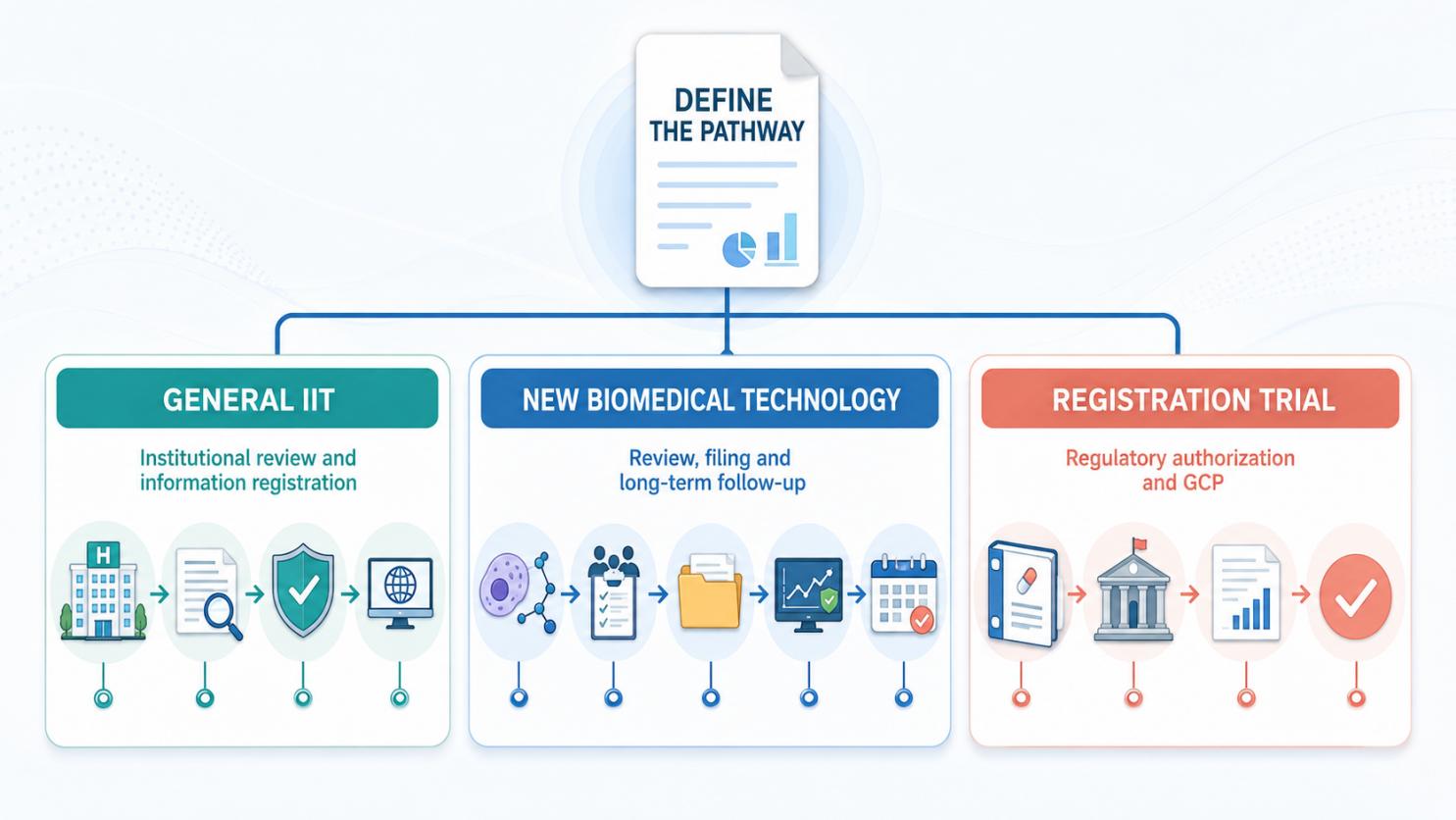
Figure 1. Defining the Regulatory Pathway for IITs in China
Ethics review is not merely an administrative step completed before study initiation. It is a mechanism for protecting research participants throughout the entire study lifecycle.
Before an IIT begins, the required scientific and ethics reviews should be completed. Informed consent materials should not only describe the study purpose, procedures, and potential risks, but should also use language that participants can understand and clearly explain their rights, available alternatives, privacy protections, procedures for research-related injury, and right to withdraw.
Additional safeguards should be established for children, individuals with cognitive impairment, terminally ill patients, and other vulnerable populations, based on their specific risks and vulnerabilities.[4]
If a protocol amendment may affect participant rights or if new safety information, serious adverse events, or unexpected risks emerge, the matter should be submitted promptly for ethics review. The study team should also assess whether informed consent materials need to be updated and whether consent must be obtained again.
Medical and health institutions should establish mechanisms for preventing and managing research-related injury, providing compensation where appropriate, and ensuring adequate financial protection. For IITs involving substantial research interventions or higher potential risks, appropriate insurance coverage may be considered based on the study's risk profile.
Ethics approval does not mark the end of risk management. It marks the beginning of continuous participant protection.
Our medical ethics team specializes in drafting plain-language informed consent documents, designing customized protection schemes for vulnerable populations, and managing continuous ethics submissions for protocol amendments and SAEs. Let us help you build a fully compliant participant protection system without overburdening your internal research team — send an online consultation request to learn more.
The value of registering IIT information extends beyond creating an administrative record. Registration improves transparency and allows study protocols, implementation status, and results to be reviewed, monitored, and traced.
The Measures require study information to be uploaded to the National Medical Research Registration Information System when institutional initiation approval is granted. The information must then be updated promptly when the study is initiated, amended, suspended, terminated, or completed.[1]
Registered study information is disclosed to the public through the system or another platform designated by the National Health Commission, allowing scrutiny by both the scientific community and society. This transparency may help reduce unnecessary duplication and promote more appropriate allocation of clinical research resources.
For IITs involving new biomedical technologies, State Council Order No. 818 further requires filing within five working days after academic and ethics approvals have been obtained. Substantial changes involving the study objective, methodology, primary endpoint, statistical methods, or participants require renewed review and an updated filing.[2]
Information recorded in the system should therefore remain consistent with current protocol versions, ethics documents, agreements, study progress, safety reports, and close-out reports.
Information registration or regulatory filing does not replace scientific or ethics review, nor does it constitute regulatory endorsement of the technology, its efficacy, or its eligibility for product registration.
Many investigators face delays in national system registration and biomedical tech filing due to incomplete document preparation and unfamiliarity with official portal rules. GCP ClinPlus delivers one-stop filing & registration agency services, guaranteeing on-time submission and real-time progress tracking. Fill in the consultation form on our official website to get a dedicated filing specialist assigned to your project.
A high-quality IIT must do more than produce results. It must also demonstrate how those results were generated.
Data integrity and traceability should be maintained throughout data collection, recording, modification, storage, transmission, use, and archiving. Study teams should define source-data locations, critical variables, data-access and modification rights, verification procedures, and retention requirements at an early stage.
When electronic systems are used to generate or manage critical research data, appropriate controls should be established based on the system's intended use and data-related risks. These may include access controls, change logs or audit trails, backup procedures, and version control, ensuring that the creation and modification of critical data remain traceable.
Missing primary-endpoint data, inconsistent assessment windows, undocumented protocol deviations, and variability in assessments across study sites can all undermine the reliability and interpretability of study findings.
For IITs involving new biomedical technologies, the evidence chain may extend further to technical procedures, sample provenance, preparation processes, quality testing, safety monitoring, and long-term follow-up.
The Regulations require study records and source materials to be retained for 30 years after study completion. Records and source materials involving offspring must be retained permanently. Fabrication, alteration, or concealment of study records is explicitly prohibited.[2]
The Technical Guideline for Confirmatory Clinical Research on New Biomedical Technologies (Version 1), issued in July 2026, further emphasizes source-data governance, lifecycle quality management, risk control, and the development of an evidence package for clinical translation and application.[5]
Data quality should not depend on intensive remediation shortly before study close-out. It must be built into the study from the design stage.
Our integrated data management & biostatistics team builds audit-trail-ready electronic data capture systems for IITs, implements full-lifecycle source data governance, and compiles complete evidence packages for biomedical technology translation. Avoid costly post-hoc data remediation — reach out to our team via the website to design a data quality plan at your study design phase.
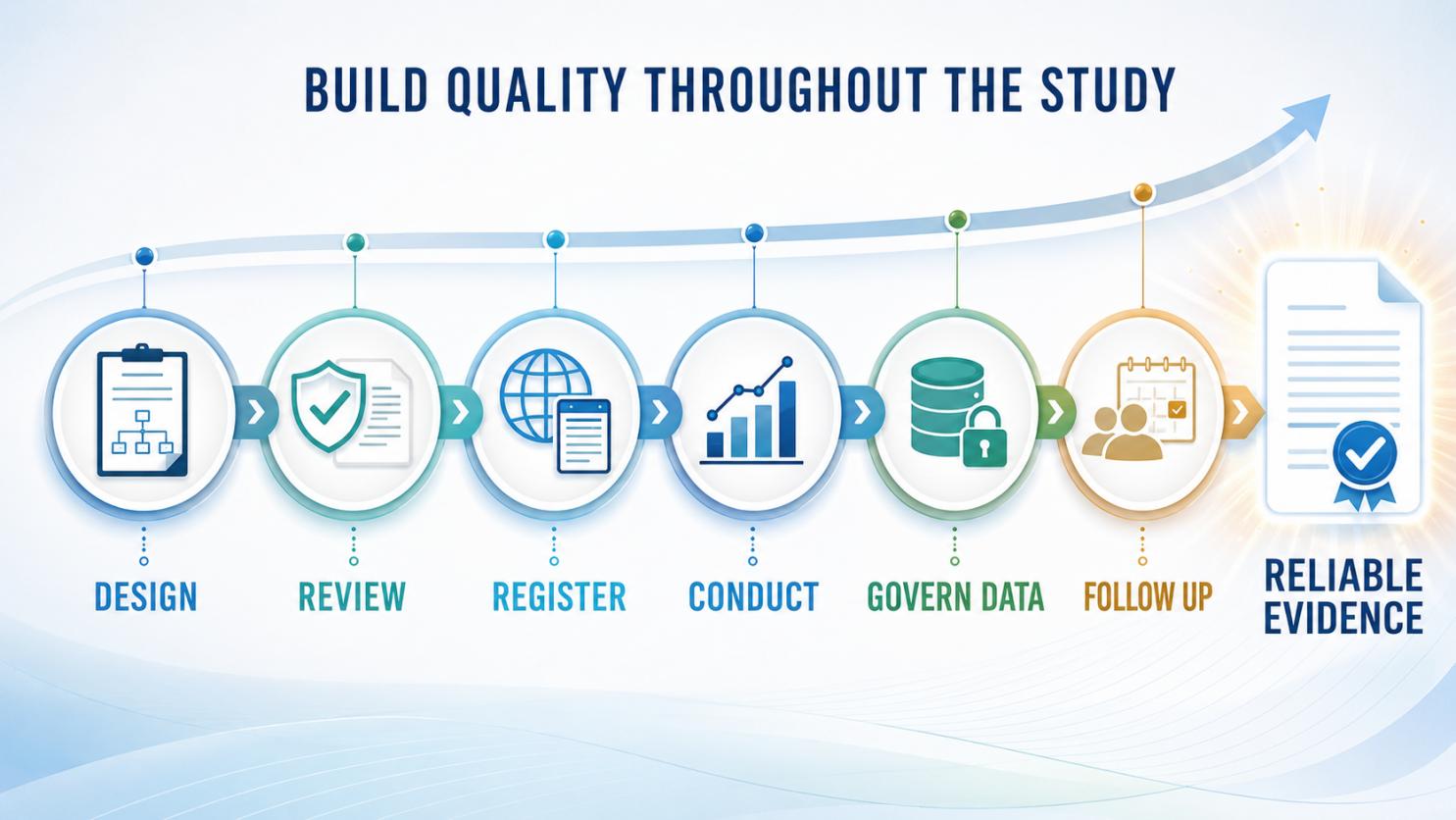
Figure 2. Building Quality Throughout the IIT Lifecycle
The standardization of IITs cannot depend solely on the experience of individual investigators. It requires institutions to establish stable and operational quality-management systems.
Medical and health institutions should clearly define the responsibilities of clinical research management departments, investigators, ethics committees, clinical research management committees, and professional support teams. Standard operating procedures should cover study initiation, review, information registration, activation, conduct, amendments, safety reporting, data management, and close-out.
When data management, biostatistics, central laboratories, sample testing, or other activities are performed by external service providers, responsibilities, quality standards, data ownership, and communication mechanisms should be defined in written agreements.
Research activities may be delegated, but the accountability of the institution and investigators cannot be transferred.
The boundary between IITs and registration trials must also remain clear. Positive results from an IIT do not automatically qualify the data as evidence for drug or medical-device registration. At the same time, IIT data should not be assumed to have no value for subsequent development.
Whether the data can contribute to a future registration program depends on the study's compliance foundation, protocol and prespecified statistical methods, participant population, consistency of the intervention, data integrity, quality controls, and regulatory engagement.
China's revised Good Clinical Practice for Drug Clinical Trials was published in 2026 and will take effect on September 1, 2026.[6] For projects that may subsequently enter a drug-registration program, the new GCP concepts - including quality by design, risk-proportionate approaches, clear accountability, and lifecycle data governance - may be appropriately considered without blurring the distinction between an IIT and a registration trial.
Standardizing IITs is not about adding unnecessary procedures to clinical innovation. It is about ensuring that clinical questions are addressed through sound design, controlled execution, and reliable data - and ultimately translated into medical evidence that can be understood, evaluated, and communicated.
Achieving this requires coordinated expertise across medical strategy, project management, data management, biostatistics, safety management, and quality assurance.
GCP ClinPlus integrates cross-disciplinary expertise covering medical strategy, full project operation, data governance, biostatistics, safety surveillance and QA, delivering end-to-end customized IIT support: protocol design, ethics & filing management, multi-center study operation, EDC data governance, statistical analysis, clinical evidence package development and research output polishing. We have supported hundreds of hospital investigators and biotech clients across oncology, rare disease, cell & gene therapy, medical device and other fields, turning clinical insights into credible, translatable research evidence.
If your institution or research team faces challenges in IIT regulatory compliance, full-cycle trial execution or registrable data construction, submit an online consultation request on our official website today. Our senior IIT regulatory specialists will provide one-on-one policy interpretation and project roadmap planning for free, helping you eliminate compliance risks and accelerate clinical research output.
The ultimate value of compliance is not simply completing reviews and filings. It is ensuring that study results can withstand scrutiny from research participants, medical institutions, regulatory authorities, and the scientific community.
Let GCP ClinPlus act as your trusted long-term IIT compliance partner. Click the consultation entrance on our official website to schedule an in-depth project discussion and unlock efficient, standardized, future-proof IIT research solutions.
[1] National Health Commission of the People's Republic of China, National Administration of Traditional Chinese Medicine, and National Disease Control and Prevention Administration. Measures for the Administration of Investigator-Initiated Clinical Research Conducted by Medical and Health Institutions. Guo Wei Ke Jiao Fa [2024] No. 32. 2024.
[2] State Council of the People's Republic of China. Regulations on the Administration of Clinical Research and Clinical Translation and Application of New Biomedical Technologies. State Council Order No. 818. 2025; effective May 1, 2026.
[3] National Health Commission of the People's Republic of China. Interim Guiding Principles for Distinguishing New Biomedical Technologies from Drugs and Medical Devices. 2026.
[4] National Health Commission of the People's Republic of China, Ministry of Education, Ministry of Science and Technology, and National Administration of Traditional Chinese Medicine. Measures for the Ethical Review of Life Science and Medical Research Involving Human Participants. 2023.
[5] China National Center for Biotechnology Development. Technical Guideline for Confirmatory Clinical Research on New Biomedical Technologies, Version 1. 2026.
[6] National Medical Products Administration, National Health Commission, National Administration of Traditional Chinese Medicine, and National Disease Control and Prevention Administration. Good Clinical Practice for Drug Clinical Trials, 2026 Revision. Announcement No. 50 of 2026; effective September 1, 2026.
#IIT #InvestigatorInitiatedTrials #ClinicalResearch #ResearchCompliance #ResearchEthics #ParticipantProtection #DataIntegrity #QualityManagement #ClinicalTrials #GCPClinPlus
PREV
NEXT