
Email:
global@GCP-ClinPlus.com


The real dividing line in CGT research is not simply “completing administration.” It lies in what happens afterward: five years, ten years, and in some cases even lifelong follow-up.
It is during this period that the long-term value of a product is truly tested.
A missed key follow-up visit may prevent the study team from fully assessing the durability of therapeutic benefit.
An unclear safety event record may affect the product’s benefit-risk assessment.
A lack of traceability in sample collection, manufacturing, transport, or infusion information may make subsequent data interpretation difficult.
These are not theoretical concerns.
In 2024, the FDA required multiple BCMA-directed or CD19-directed autologous CAR T-cell products to add a Boxed Warning regarding the risk of T-cell malignancies, and stated that patients and clinical trial participants receiving these therapies should be monitored lifelong [1]. This serves as an important reminder for the industry: for cell and gene therapy (CGT) products, long-term safety observation is not an “add-on” after study completion, but an essential component of the product risk management system.
This is one of the key features that distinguishes CGT from traditional drug development: it tests not only technological innovation, but also long-term operational capabilities, data governance, and quality systems.
CGT products often involve more complex biological mechanisms of action. Certain therapies may involve cellular expansion, immune activation, gene expression, gene integration, or vector-related long-term risks.
In its long-term follow-up guidance, the FDA notes that, in order to understand and mitigate the risk of delayed adverse events, subjects in gene therapy clinical trials may need to be monitored for an extended period of time [2]. EMA guidance also emphasizes that the purpose of follow-up after gene therapy administration includes detecting signals of early or delayed adverse reactions, preventing clinical consequences, ensuring timely treatment, and obtaining information on the long-term safety and efficacy of the intervention [3].
For CGT studies with limited patient populations, complex disease profiles, and challenging early evidence generation, every follow-up visit, every AE record, and every critical time point may influence the assessment of a product’s true clinical value.
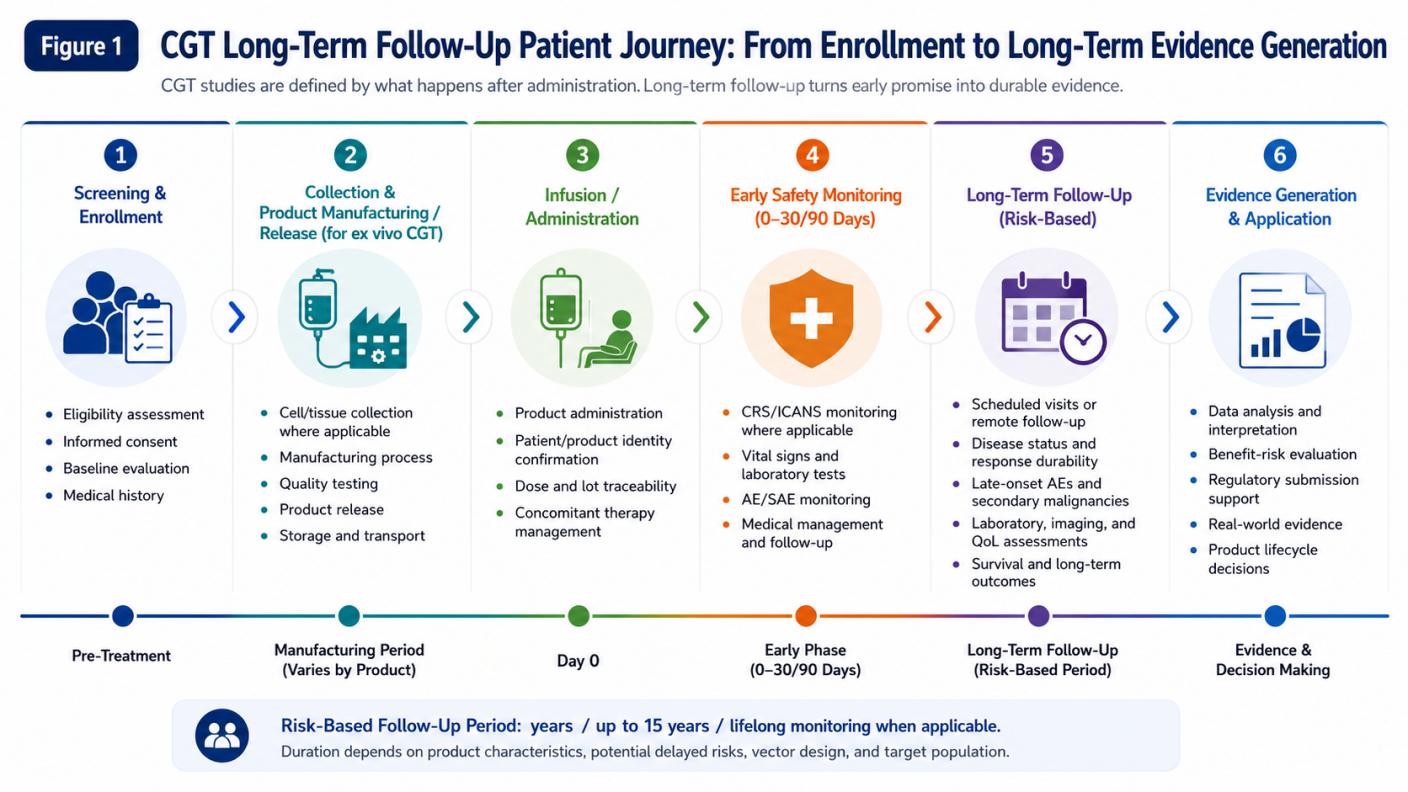
Figure 1. CGT Long-Term Follow-Up Patient Journey
In CGT projects, long-term follow-up is not simply a matter of “contacting patients regularly.”
It usually involves a more complex patient journey, higher-frequency safety monitoring, and the integration of data from multiple sources. Study teams need to manage site execution, medical judgment, sample and manufacturing records, administration information, laboratory testing, imaging data, AE/SAE records, and long-term efficacy data at the same time.
Early SCID-X1 gene therapy is a representative historical case. Related research showed that, after nearly 10 years of follow-up, gene therapy corrected the immunodeficiency associated with SCID-X1; however, the therapy was also associated with a risk of acute leukemia [4]. This case illustrates that CGT safety evaluation cannot be limited to short-term efficacy windows. Instead, delayed risks must be continuously captured through long-term follow-up.
This means that data in CGT studies cannot merely be “entered.” It must also be traceable, verifiable, and interpretable.
A high-quality CGT data governance closed loop should be able to answer several key questions:
Is the patient journey complete, from screening, sample collection, manufacturing, and infusion through to long-term follow-up?
Are key safety events identified, graded, reported, and medically assessed in a timely manner?
Are critical milestones such as sample collection, manufacturing, transport, and administration traceable?
Can site execution, medical monitoring, data management, and statistical analysis mutually validate one another?
When these questions are systematically managed, long-term follow-up becomes more than a required protocol activity. It becomes a source of high-quality clinical evidence.
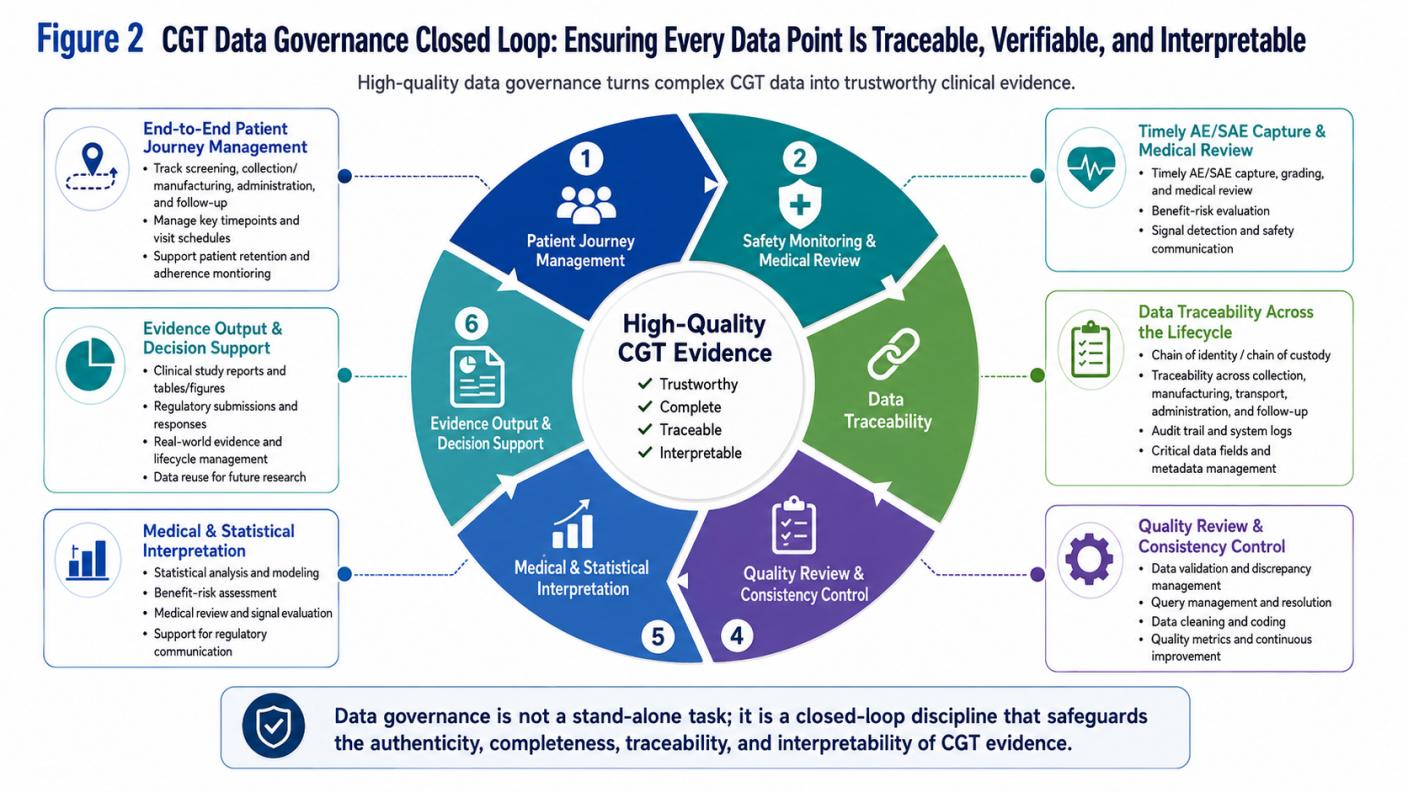
Figure 2. CGT Data Governance Closed Loop
CGT projects are rarely completed by a single function alone.
Medical teams need to continuously assess efficacy and safety signals.
Clinical operations teams need to ensure site execution, patient follow-up, and timeline management.
Data management teams need to ensure data completeness, consistency, and traceability.
Quality teams need to monitor protocol deviations, critical processes, and audit trails.
Biostatistics and medical writing teams need to translate complex data into interpretable clinical evidence.
A break in any part of the process may affect the quality of the entire study.
This is why CGT projects need long-term follow-up and data governance thinking to be built in from the study design stage, rather than attempting to supplement data, logic, and evidence at a later stage.
CGT is shifting clinical research from “short-term observation” to “long-term responsibility.”
The value of long-term follow-up lies not only in meeting regulatory requirements, nor only in completing follow-up visits specified in the protocol. More importantly, it helps study teams continuously answer three core questions:
Can the therapeutic benefit be sustained?
Have delayed risks been identified in a timely manner?
Can every data point withstand subsequent medical judgment and regulatory communication?
Therefore, what CGT projects truly need is not a set of fragmented follow-up records, but an evidence closed loop that runs across the patient journey, site execution, safety monitoring, data management, medical monitoring, and statistical analysis.
This also means that a CRO supporting CGT research cannot serve only as an execution partner. It needs to participate early in long-term follow-up design, risk-point identification, data standard setting, and quality control planning.
GCP ClinPlus’ service capabilities are aligned with this need. According to company materials, GCP ClinPlus has a strong focus on frontier areas such as oligonucleotide therapeutics and cell and gene therapy (CGT), with professional expertise across medical affairs, clinical project management, data management, and biostatistical analysis. The company has provided full-process clinical research services for more than 500 domestic and international pharmaceutical companies, supported over 2,300 clinical research projects, and conducted more than 200 multiregional clinical trials (MRCTs).
In addition, materials from the GCP ClinPlus CGT business unit indicate that the company has undertaken more than 100 cell and gene therapy clinical studies, and has developed relevant experience in CGT project management, monitoring of product manufacturing, transport, administration/use, and return/destruction milestones, as well as quality and risk control.
For CGT projects, our focus is not merely on “completing the study.” We aim to help sponsors transform critical follow-up milestones, safety signals, and clinical data into traceable, interpretable, decision-ready clinical evidence.
We believe that the long-term value of innovative therapies must ultimately be proven by long-term, complete, and trustworthy data.
This is not only a regulatory requirement, but also our commitment to the long-term benefit of every patient.
GCP ClinPlus hopes to work with more partners across the industry to make this commitment more robust, more practical, and more traceable.
[1] U.S. Food and Drug Administration. FDA Requires Boxed Warning for T Cell Malignancies Following Treatment with BCMA-Directed or CD19-Directed Autologous Chimeric Antigen Receptor (CAR) T Cell Immunotherapies. 2024.
[2] U.S. Food and Drug Administration. Long Term Follow-Up After Administration of Human Gene Therapy Products: Guidance for Industry. 2020.
[3] European Medicines Agency. Guideline on Follow-up of Patients Administered with Gene Therapy Medicinal Products. EMEA/CHMP/GTWP/60436/2007.
[4] Hacein-Bey-Abina S, et al. Efficacy of Gene Therapy for X-Linked Severe Combined Immunodeficiency. New England Journal of Medicine. 2010.