





Email:
global@GCP-ClinPlus.com


In the drug development ecosystem, a long-standing “valley of death” exists between basic research discoveries and approved therapies, where many potential candidates stall due to translational barriers. Sponsor-initiated trials (SITs), designed for regulatory approval, focus on confirmatory evidence for a specific indication – they are a critical pathway for new drug approval but do not represent the entirety of innovation. Investigator-initiated trials (IITs) – non-commercially driven studies designed and led by academic institutions or clinicians – leverage their exploratory nature, flexibility, lower cost, and high responsiveness to clinical needs, making them a core engine to bridge the translational gap and accelerate clinical implementation of novel therapies[1].
This article systematically examines from an academic perspective the unique value of IITs in three dimensions: expanding new indications, optimizing treatment regimens, and achieving symbiotic synergy with registration trials, supported by real-world cases to demonstrate the strategic positioning of IITs in modern drug R&D.
Registration trials are designed around predefined indications, target populations, and efficacy endpoints to meet regulatory and commercial requirements. They often cannot address potential benefits observed in real-world practice. Clinicians frequently encounter unexpected efficacy signals of marketed drugs in off-label populations, but such signals are rarely validated through sponsor-led registration trials due to poor return on investment.
IITs, driven by scientific questions without commercial constraints, allow investigators to conduct prospective exploratory research based on mechanisms of action, serendipitous clinical findings, or real-world observations. They serve as the cornerstone for drug repurposing and cross-indication breakthroughs, effectively filling the R&D gaps left by registration trials.
> Case: Thalidomide expansion in multiple myeloma
Thalidomide was withdrawn due to severe teratogenicity. In 1999, the Singhal team published an IIT in the New England Journal of Medicine, enrolling 84 patients with refractory multiple myeloma to evaluate thalidomide monotherapy. Results showed tumor response in 32% of patients (including 2 complete responses), with efficacy typically observed within 2 months (Figure 1: efficacy data of thalidomide in multiple myeloma) [2], confirming the anti-tumor activity of thalidomide in refractory myeloma.
The key efficacy signal generated by this IIT directly prompted subsequent large-scale multicenter registration trials, ultimately leading to FDA approval of thalidomide for multiple myeloma, making it the first targeted immunomodulatory agent in this field – a true rebirth of a “withdrawn drug”.
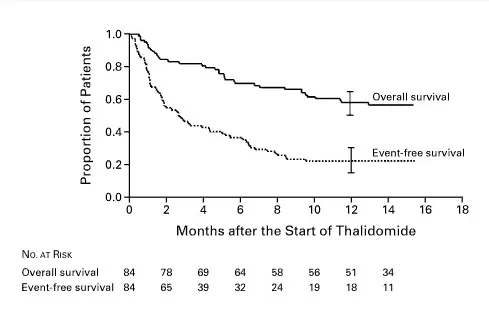
Figure 1: Efficacy data of thalidomide in multiple myeloma
New drug approval validates a fixed dose and regimen in a specific population, but real-world patients exhibit multidimensional heterogeneity – age, comorbidities, genetic profiles, treatment history – making standard regimens suboptimal in many clinical scenarios. Registration trials, constrained by sample size, rigid protocols, and high costs, cannot conduct refined explorations such as dose optimization, combination strategies, or schedule adjustments.
IITs, driven by real-world clinical needs, offer flexible sample sizes, diverse designs, and efficient execution. They are natural platforms for optimizing existing treatment paradigms and generating high-quality evidence to iterate standard of care.
> Case: Building efficacy evidence for metronomic chemotherapy in pediatric solid tumors
Pediatric solid tumor patients often experience poor tolerance and significant toxicity from conventional high-dose chemotherapy. Metronomic chemotherapy (low-dose, frequent, continuous administration) offers potential advantages such as low toxicity, anti-angiogenic effects, and immune modulation, but high-quality evidence was lacking.
In 2024, the Peinemann team published a meta-analysis of 3 randomized controlled trials involving 775 children and young adults with extracranial solid tumors, systematically evaluating the clinical efficacy of metronomic chemotherapy. Results showed an overall survival hazard ratio (HR) of 0.75 (95% confidence interval [CI]: 0.56–0.98) (Figure 2: PRISMA flow diagram of study selection for metronomic chemotherapy in pediatric solid tumors) [3], confirming significant survival benefit. Such non-commercially driven academic IITs effectively fill evidence gaps for rare pediatric tumors and provide key data for regimen optimization.
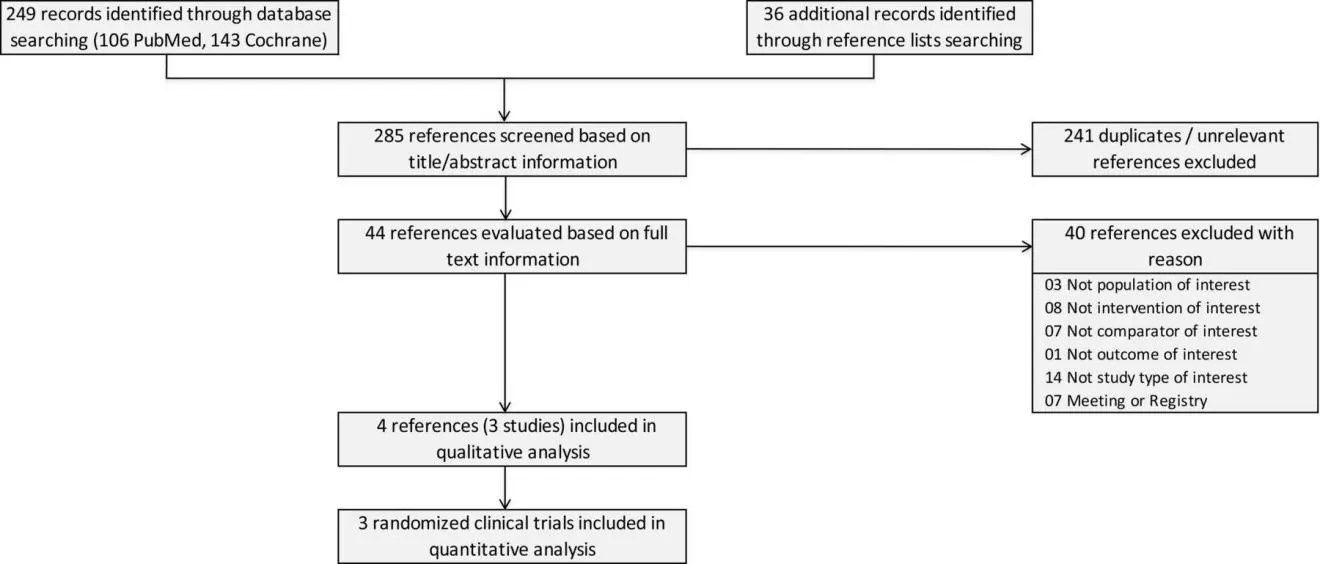
Figure 2: PRISMA flow diagram of study selection for metronomic chemotherapy in pediatric solid tumors
IITs and registration trials are not parallel tracks but rather complementary and mutually reinforcing: registration trials provide definitive core evidence to support drug approval; IITs generate early exploratory signals, validate risks, and produce optimization data – reducing R&D risk, increasing success rates, and expanding application boundaries for registration trials. Together, they form a complete R&D closed-loop: “exploration – validation – optimization – expansion.”
> Case: Expanding rituximab in refractory autoimmune diseases
Rituximab was initially approved for B-cell lymphoma and rheumatoid arthritis. In 2006, the Ahmed team conducted an IIT evaluating rituximab combined with intravenous immunoglobulin in 11 patients with refractory pemphigus vulgaris, a rare autoimmune blistering disease. Results showed rapid lesion resolution in 9 patients, with a median clinical remission duration of 31.1 months, and all patients could discontinue immunosuppressive therapy (Figure 3: lesion resolution in pemphigus vulgaris patients treated with rituximab) [4].
This IIT provided clear efficacy signals and safety profiles, directly leading to global multicenter registration trials and eventual approval of rituximab for pemphigus vulgaris. In this process, the IIT acted as an early signal generator and risk validator, while registration trials confirmed efficacy in larger populations and secured formal approval – synergy was indispensable.

Figure 3: Lesion resolution in pemphigus vulgaris patients treated with rituximab
The value of IITs as a sentinel for registration trials is particularly evident in rare ophthalmic gene therapy. Bietti crystalline dystrophy (BCD), caused by mutations in the CYP4V2 gene, is a rare inherited retinal degenerative disease with very low incidence and highly dispersed patient distribution, making clinical translation challenging.
GCP ClinPlus deeply participated in a first-in-human exploratory IIT for BCD gene replacement therapy – the world’s first gene therapy clinical trial for BCD – led by Professor Dou Hongliang at Peking University Third Hospital, using an AAV vector to deliver a functional CYP4V2 gene via subretinal injection. The project faced multiple challenges: extremely small patient pool, stringent gene therapy start‑up requirements, difficult enrollment, and long follow‑up. Leveraging 23 years of clinical research expertise, GCP ClinPlus provided full‑service professional support:
- Precise expert matching: Leveraged its rare ophthalmic disease research network to rapidly identify a PI and center with BCD diagnostic authority, high‑precision subretinal injection surgical skills, and gene therapy research experience – ensuring scientific validity and operational feasibility.
- Efficient SSU: Customized rapid start‑up process for gene therapy, worked with CDMO to optimize CMC submission documents, and achieved one‑time ethics and genetic resource approvals with no supplementary delays through parallel review and pre‑submission quality control.
- Targeted patient recruitment: Developed an AI‑assisted patient profiling model and multi‑channel outreach (multi‑center collaboration, patient advocacy groups, online communities). First patient enrolled within 2.5 months, and 100% enrollment target was achieved within the 52‑week enrollment period.
- End‑to‑end quality management: Used the proprietary ClinX intelligent platform for real‑time data monitoring, adverse event tracking, and long‑term follow‑up, strictly following FDA guidance on long‑term follow‑up for gene therapy products to ensure data integrity and reliability.
This case fully demonstrates that high‑quality IITs are a key lever for clinical translation of novel therapies for rare diseases, effectively reducing pre‑registration risks, accelerating development, and lowering costs – providing an efficient pathway from bench to bedside.
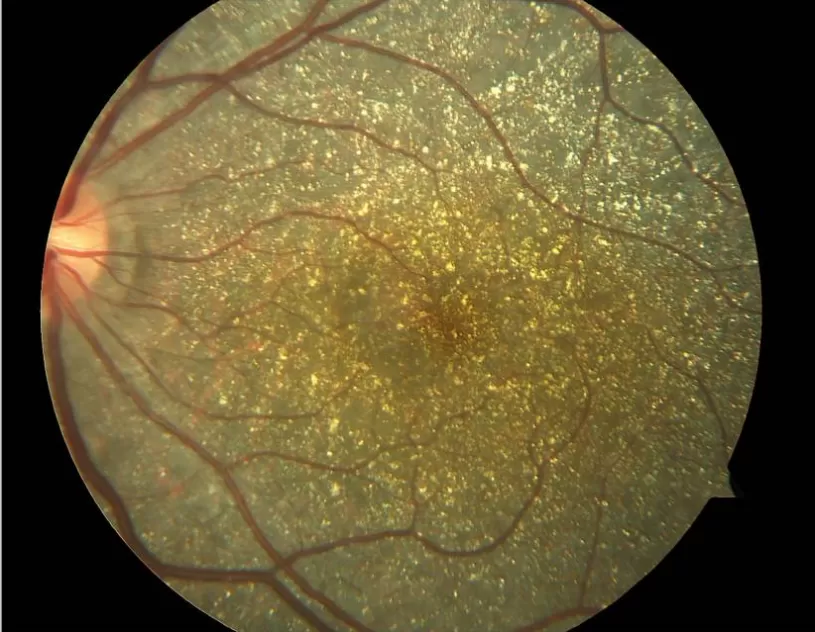
Figure 4: Fundus image of a BCD patient
For a long time, IITs have been narrowly regarded as “academic exploration tools” or “supplemental sponsor studies,” and their strategic value has been underestimated. However, substantial clinical evidence shows that IITs deliver irreplaceable value in new indication discovery, treatment optimization, real‑world evidence generation, and translation of novel therapies for rare diseases.
For pharmaceutical companies, proactively supporting IITs enables low‑cost early proof‑of‑concept data, first‑mover advantages in rare diseases/unmet needs, and real‑world evidence to support post‑marketing scientific communications. For regulators, high‑quality IITs can fill gaps in registration data, enrich the life‑cycle evidence chain, and support regulatory science innovation.
In the future, an ideal drug development ecosystem will feature a synergistic partnership where registration trials provide core evidence and IITs generate extended evidence – together building a complete evidence system to guide clinical decisions, accelerate the delivery of innovative therapies, and ultimately benefit patients.
Founded in 2003 and with 23 years of deep clinical research experience, GCP ClinPlus operates under the core philosophy “AI empowers, every data points to hope.” Leveraging its proprietary ClinX intelligent platform, the company has deep expertise in oligonucleotides, cell and gene therapy (CGT), and other cutting‑edge fields, providing end‑to‑end IIT services including protocol design, ethics submission, rapid start‑up, targeted recruitment, data management, biostatistics, and regulatory
- Cutting‑edge focus: CGT, oligonucleotides, rare diseases, ophthalmology – 40+ IITs executed end‑to‑end.
- Benchmark delivery: Served 500+ pharmaceutical companies, completed 2,300+ clinical studies, executed 200+ multinational clinical trials (MRCTs); helped 4 novel drugs gain international approval and 220+ products succeed in China, including the first approved stem cell therapy in the country.
- Intelligent technology: ClinX platform enables digital, intelligent management across the clinical research lifecycle, ensuring data compliance, efficiency, and traceability.
- Regulatory compliance: Strict adherence to ICH GCP, NMPA, FDA, and other global regulatory requirements, ensuring IITs are scientifically sound, compliant, and delivered with high quality.
[1] Januszkiewicz A, et al. Investigator-initiated trials as a catalyst for drug repurposing and regimen optimization. Nat Rev Drug Discov. 2023;22(9):693-694.
[2] Singhal S, Mehta J, Desikan R, et al. Antitumor activity of thalidomide in refractory multiple myeloma. N Engl J Med. 1999;341(21):1565-1571.
[3] Peinemann F, et al. Metronomic chemotherapy for paediatric extracranial solid tumours: a systematic review and meta-analysis of randomised clinical trials. BMJ Open. 2024;14(10):e084477.
[4] Ahmed AR, Spigelman Z, Cavacini LA, Posner MR. Treatment of pemphigus vulgaris with rituximab and intravenous immune globulin. N Engl J Med. 2006;355(17):1772-1779.
PREV