





Email:
global@GCP-ClinPlus.com



Can an investigator-initiated trial (IIT) change the commercial value of an innovative technology?
The answer is not a simple yes or no.
The more important question is whether an early clinical study can turn a technical hypothesis into human evidence that clinicians, potential partners and investors can evaluate.
EsoBiotec's in vivo BCMA-directed CAR-T candidate, ESO-T01, provides an instructive case.
Conventional CAR-T therapy generally requires leukapheresis, ex vivo genetic modification, cell expansion, release testing, lymphodepleting conditioning and reinfusion. EsoBiotec's Engineered NanoBody Lentiviral (ENaBL) platform is designed to generate CAR-T cells directly in the patient following a single intravenous administration, potentially reducing ex vivo manufacturing steps and treatment waiting time.[4]
However, an attractive technology concept can reduce downstream development uncertainty only after it enters the clinic and produces credible human evidence.
The first question for ESO-T01 was not simply whether CAR-T therapy can work. It was whether a targeted vector could generate functional BCMA-directed CAR-T cells in the human body without leukapheresis, ex vivo cell manufacturing or lymphodepleting conditioning.[2,3]
This question extends beyond preliminary antitumor activity. It also encompasses vector targeting, CAR-T expansion and persistence, off-target transduction, immune reconstitution, and immune-mediated toxicities such as cytokine release syndrome (CRS) and immune effector cell-associated neurotoxicity syndrome (ICANS).[2,3]
Early validation of an in vivo CAR-T platform is therefore a system-level undertaking that depends heavily on investigator expertise, site readiness and the quality of translational research execution.
Public registry records show that the two Wuhan studies evaluating ESO-T01 must be clearly distinguished.
NCT06691685 is led by Professor Heng Mei at Union Hospital, Tongji Medical College, Huazhong University of Science and Technology. The study started in November 2024 and was designed to assess the safety, tolerability, preliminary efficacy and immunogenicity of ESO-T01 in patients with relapsed or refractory multiple myeloma.[1]
NCT06791681 is led by Professor Chunrui Li at Tongji Hospital, Tongji Medical College, Huazhong University of Science and Technology. It started in January 2025. The five-patient dataset published in Nature Medicine in 2026 came from this study, not from NCT06691685.[2,3]
The two studies have different registry identifiers, principal investigators and study sites. They should not be presented as a single IIT.
This distinction also illustrates why early validation of an innovative therapy cannot be based on institutional reputation alone. PI and site selection should reflect the study objective, patient access, toxicity-management capability, laboratory infrastructure and operational readiness.
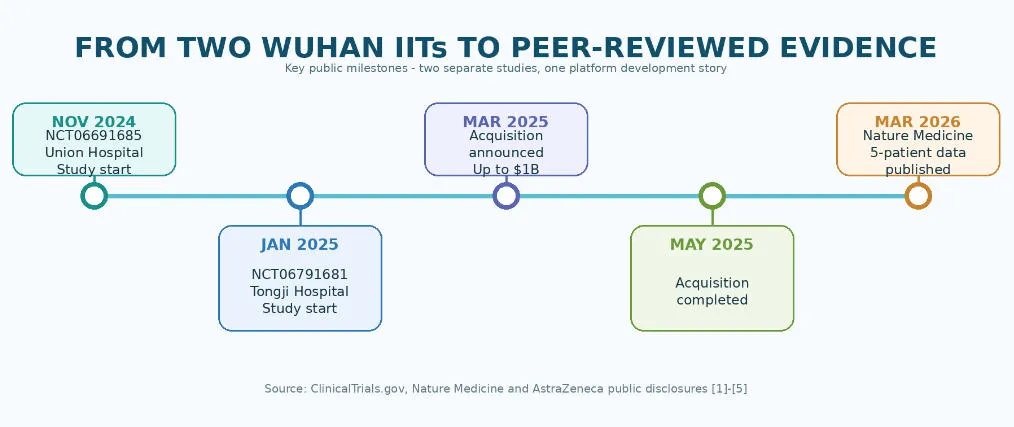
Figure 1. Public Milestones in the Early Clinical Development of ESO-T01
The Nature Medicine study enrolled five heavily pretreated patients with relapsed or refractory multiple myeloma. The median follow-up was 6.0 months.[3]
Objective response: Four of the five patients achieved an objective response.
Depth of response: Three patients achieved a stringent complete response (sCR).
MRD assessment: All four evaluable responders were minimal residual disease negative at a sensitivity of 10^-5 by Day 60.
Cell kinetics: The study documented the in vivo expansion kinetics of the generated CAR-T cells.[3]
These findings provided preliminary human evidence supporting the feasibility of generating BCMA-directed CAR-T cells in vivo. Nevertheless, the small cohort and limited follow-up mean that the results should be interpreted cautiously.[3]
Safety should not be understated. No dose-limiting toxicities were reported, but all patients experienced grade 3 or higher adverse events. CRS occurred in four patients - three grade 3 events and one grade 2 event - and one patient developed grade 1 ICANS. One patient died from spinal cord compression related to an extramedullary lesion.[3]
The dataset therefore shows why early efficacy signals are only part of the evidence package. For an in vivo CAR-T program, the site's ability to recognize, grade and manage CRS and ICANS rapidly, while providing appropriate critical-care support, is also fundamental to safe study execution.
In March 2025, AstraZeneca announced its agreement to acquire EsoBiotec. The acquisition was completed in May 2025, making EsoBiotec a wholly owned subsidiary of AstraZeneca.[4,5]
The transaction comprised an initial payment of $425 million and up to $575 million in contingent consideration linked to development and regulatory milestones, for a total potential consideration of up to $1 billion.[4,5]
This does not mean that AstraZeneca had already paid $1 billion, nor should the transaction be described as the direct result of a single Wuhan IIT.
The acquisition announcement preceded the formal publication of the five-patient dataset in Nature Medicine. A more defensible interpretation is that the platform's technical differentiation, scalability, potential applicability across indications, early clinical progress and emerging human signals collectively increased its strategic value and verifiability.[3,4]
The subsequent peer-reviewed publication further strengthened external understanding of the platform's mechanism, preliminary activity and safety profile.[3]
What was amplified was not the label 'IIT' itself, but the ability of early clinical research to generate evidence that could inform the next development decision.
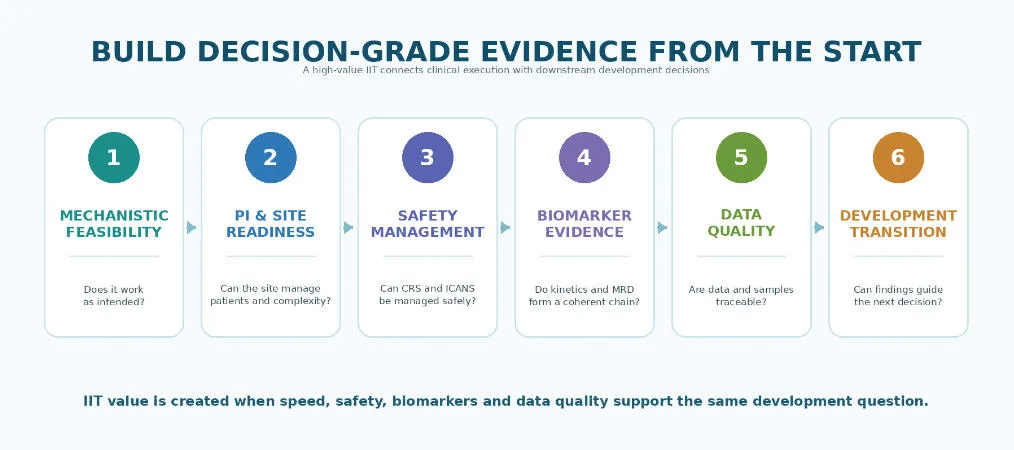
Figure 2. Building Decision-Grade Evidence Through a High-Value IIT
For an innovative therapy company, a high-value IIT should address at least four questions:
Mechanism and feasibility: Does the technology work in humans as intended?
PI and site capability: Can the investigator and study center identify and manage critical risks such as CRS and ICANS?
Biomarker evidence: Can CAR-T expansion kinetics, MRD and other biomarkers form a coherent and interpretable evidence chain?
Downstream development value: Can the findings inform registration strategy, partnering discussions or investment decisions?
This is where GCP ClinPlus can support CGT innovators.
GCP ClinPlus can provide coordinated support across IIT strategy and pathway planning, PI and site mapping, study start-up, safety management, biosample and biomarker operations, data governance, biostatistics, and transition planning for subsequent registration studies.
Our goal is not merely to help a project start faster. It is to build a feasible, traceable and interpretable evidence system from the study-design stage, so that early human data can better support downstream development decisions.
If you are assessing whether a CGT platform could use a China-based IIT to generate early human evidence, contact GCP ClinPlus to request our China IIT Rapid Validation Pathway Checklist or schedule a 30-minute feasibility discussion.
Disclaimer: This case analysis is based on publicly available information. GCP ClinPlus does not claim to have participated in the EsoBiotec studies or the related transaction.
[1] ClinicalTrials.gov. A Clinical Study to Evaluate the Safety and Efficacy of ESO-T01 in Treating Relapsed/Refractory Multiple Myeloma. NCT06691685. Study record
[2] ClinicalTrials.gov. A Study of ESO-T01 in Treating Relapsed/Refractory Multiple Myeloma. NCT06791681. Study record
[3] An N, Wang D, Zhang P, et al. In vivo generation of anti-BCMA CAR-T cells in relapsed or refractory multiple myeloma: a phase 1 study. Nature Medicine. 2026;32:1257-1266. doi:10.1038/s41591-026-04244-6. Article
[4] AstraZeneca. AstraZeneca to acquire EsoBiotec to advance cell therapy ambition. Published 17 March 2025. Announcement
[5] AstraZeneca. Acquisition of EsoBiotec completed. Published 20 May 2025. Completion notice
#CellAndGeneTherapy #InVivoCART #IIT #ClinicalResearch #ClinicalDevelopment #MultipleMyeloma #ChinaClinicalTrials #GCPClinPlus