






Email:
global@GCP-ClinPlus.com


Investigator-initiated clinical research, commonly referred to as IITs, is generally driven by scientific questions arising from clinical practice. As the conduct of IITs becomes increasingly standardized, objective analysis of study results, accurate communication of findings, and responsible dissemination of research information have become important considerations as a study approaches completion.
China’s Administrative Measures for Investigator-Initiated Clinical Research in Healthcare Institutions, issued in 2024, require investigators to analyze study results promptly when a clinical study is terminated or completed, prepare a comprehensive, objective, and accurate study report, upload the final report to the designated system, and make it available to peers to facilitate academic exchange [1].
Accordingly, completion of enrollment, follow-up, and database lock does not in itself mean that the study findings have been fully communicated. Moving from research data to scientific outputs still requires analysis, interpretation, and transparent reporting that remain anchored to the original scientific question.
The analysis of study results should begin by returning to the study objective: What question was the research designed to answer, and do the data collected provide an adequate answer?
ICH E9(R1) emphasizes that a clearly defined clinical question and study objective should remain logically aligned with study design, conduct, data analysis, and interpretation [2]. This principle means that conclusions should not be reconstructed solely around observed statistical results or detached from the original research purpose.
For example, when a primary endpoint does not meet the prespecified expectation, the result should still be reported objectively using the planned analytical approach and interpreted in the context of the study design, data completeness, and study limitations. Subgroup and exploratory analyses should also be clearly identified as such, rather than presented as confirmatory evidence.
Likewise, statistical significance does not automatically imply clinical significance. Results should be interpreted in relation to effect size, endpoint relevance, and the disease context. Statistical analysis addresses what the data show; medical interpretation considers what those findings mean within the specific research setting.
Although scientific outputs are usually prepared after study completion, their foundations are established much earlier, during study design.
ICH E8(R1) recommends identifying critical-to-quality factors that may affect participant protection and the reliability and interpretability of study results, and addressing them proactively in the design of the study [3]. The alignment of objectives, endpoints, data collection, and planned analyses directly influences whether the final findings can be interpreted reliably.
For studies using a randomized trial design, SPIRIT 2025 sets out 34 minimum reporting items for trial protocols, covering areas such as objectives, outcomes, statistical methods, and data management [4].
Research questions, endpoint selection, case report forms, and statistical analysis should not be treated as independent tasks. If a primary endpoint does not adequately reflect the study objective, key variables are not collected, or data collection is poorly aligned with the planned analysis, the interpretation and subsequent reporting of results may be compromised.
The development of scientific outputs is not a matter of identifying a publication angle after the study has ended. It is a structured process of communicating findings built on a clearly defined scientific question and a fit-for-purpose study design.
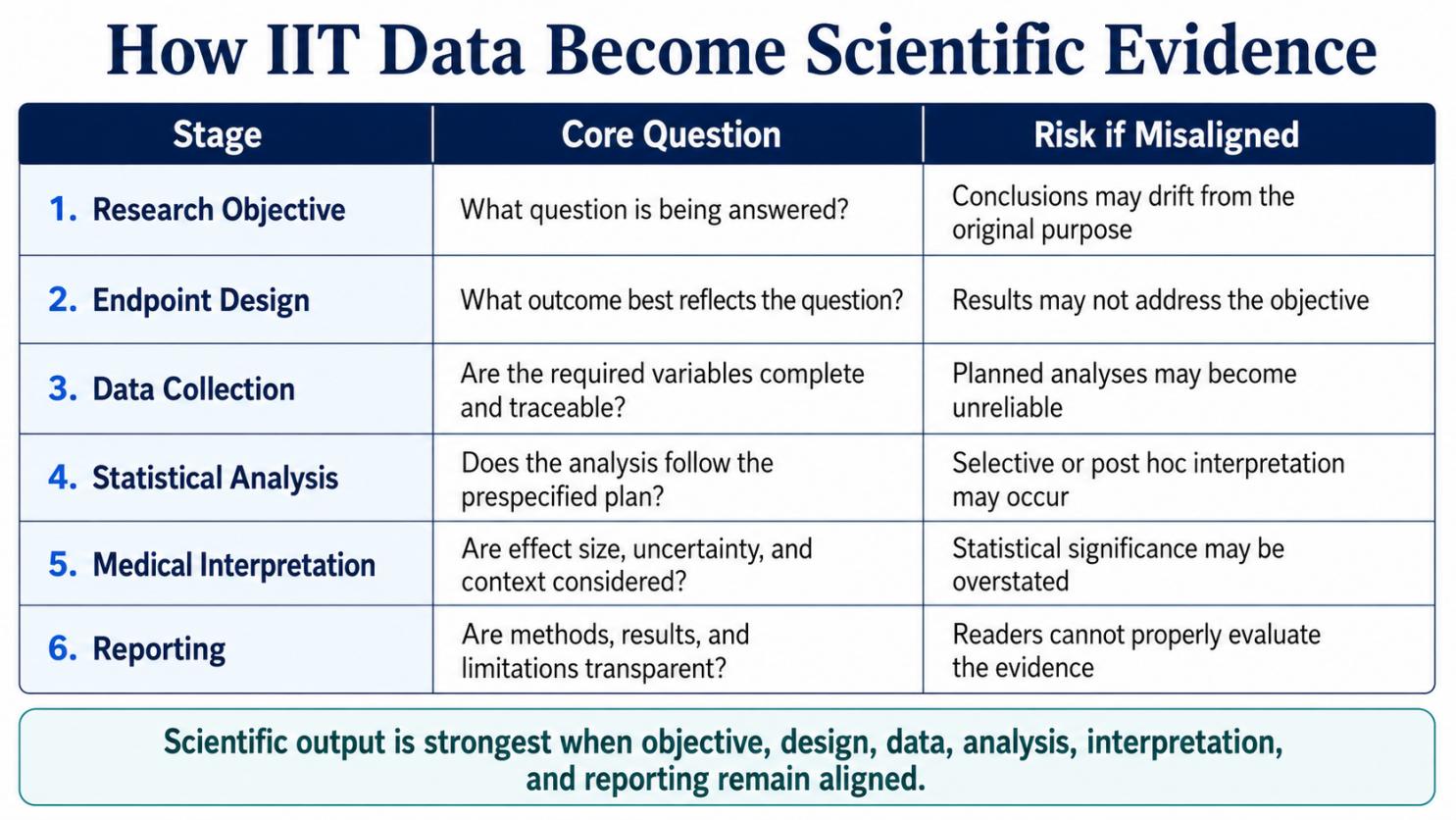
Figure 1. How IIT Data Become Scientific Evidence
Once a study enters the analysis stage, data issues arising during study conduct may directly affect the final results.
The Administrative Measures require healthcare institutions to establish source-data management systems that safeguard the authenticity, accuracy, completeness, and standardization of data throughout its lifecycle, including collection, recording, modification, storage, transmission, and use, while ensuring that data remain retrievable and traceable [1].
ICH E8(R1) likewise emphasizes factors that are critical to study quality because of their close relationship to the reliability and interpretability of study results [3].
Missing primary-endpoint data may affect planned analyses; visits or assessments not conducted according to the protocol may complicate interpretation; and, in multicenter studies, differences in key assessment procedures across sites may also require careful consideration during data review and analysis.
Data review before database lock should therefore go beyond resolving individual queries. It should identify issues that could affect the primary analysis or interpretation in light of the study objective. The value of data management ultimately lies in ensuring that the dataset can support a reliable analysis of the prespecified scientific question.
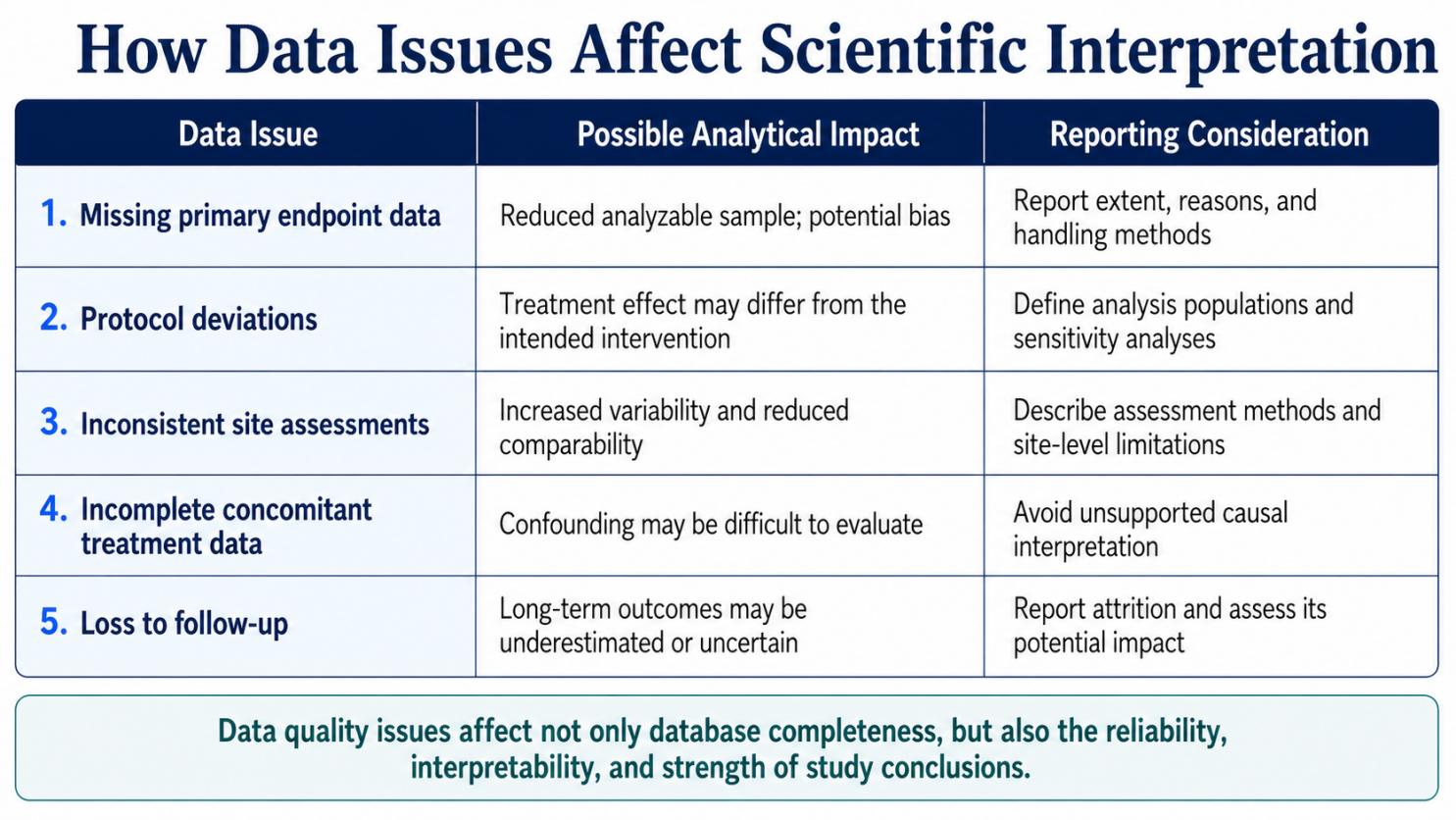
Figure 2. How Data Issues Affect Scientific Interpretation
After statistical analysis is complete, results should be organized around the research objective rather than presented as a collection of statistically significant findings.
For randomized clinical trials, CONSORT 2025 provides 30 core reporting items designed to promote complete and transparent reporting of the study design, outcomes, statistical analyses, results, and limitations [5].
This reporting principle also applies more broadly: scientific outputs should clearly describe the research question, methods, observed findings, and limitations so that readers can understand and critically evaluate the evidence.
Interpretation must also remain within appropriate boundaries. Prespecified and exploratory analyses should be distinguished, observed associations should not be casually interpreted as causal relationships, and conclusions that extend beyond the study design or available data should be expressed with caution.
Based on the maturity of the data and the central research question, study teams may then plan an appropriate dissemination strategy. Interim findings may be suitable for conference abstracts or scientific presentations, while complete results may support a full manuscript. The aim is not to maximize the number of outputs, but to communicate the evidence generated by the study accurately and transparently.
IITs begin with scientific questions, and the value of their outputs should ultimately be judged against those questions.
The alignment of study design, data collection, statistical analysis, and interpretation affects whether findings can be evaluated reliably and reported appropriately. Prompt and objective analysis after study completion, followed by responsible reporting and academic dissemination, is also an important part of clinical evidence generation.
Supported by multidisciplinary expertise in medical affairs, data management, biostatistics, and medical writing, GCP ClinPlus works with research teams to strengthen the connection between scientific questions, clinical data, and research outputs.
Turning research data into scientific outputs means transforming clinical findings into evidence that can be understood, critically evaluated, and communicated.
[1] National Health Commission of the People’s Republic of China, National Administration of Traditional Chinese Medicine, and National Disease Control and Prevention Administration. Measures for the Administration of Investigator-Initiated Clinical Research in Medical and Healthcare Institutions. Document No. 32, 2024 (Guo Wei Ke Jiao Fa [2024] No. 32).
[2] International Council for Harmonisation of Technical Requirements for Pharmaceuticals for Human Use. ICH E9(R1): Addendum on Estimands and Sensitivity Analysis in Clinical Trials to the Guideline on Statistical Principles for Clinical Trials. 2019.
[3] International Council for Harmonisation of Technical Requirements for Pharmaceuticals for Human Use. ICH E8(R1): General Considerations for Clinical Studies. 2021.
[4] Chan AW, Boutron I, Hopewell S, Moher D, Schulz KF, Collins GS, et al. SPIRIT 2025 statement: updated guideline for protocols of randomised trials. BMJ. 2025;389:e081477.
[5] Hopewell S, Chan AW, Collins GS, et al. CONSORT 2025 statement: updated guideline for reporting randomised trials. BMJ. 2025;389:e081123.
#IIT #InvestigatorInitiatedTrial #ClinicalResearch #ScientificEvidence #DataManagement #Biostatistics #MedicalWriting #GCPClinPlus